


ComfortComfortable for some
ModesSingle User
Play areaSitting, Standing
Size19 MB
In-app purchasesNone
LanguagesEnglish
About this game
Details
Developer
Publisher
Release date
September 21, 2026
Genre
Learning, Productivity
Category
APPS
Modes
Single User
Play area
Sitting, Standing
Comfort
Comfortable for some
Age rating
Everyone
Headsets
Quest 3S, Quest 3
Controllers
Hands, Controllers
Hand tracking
✓ Supported
Languages
English
Internet
Not required
Ratings
–
Download size
19 MB
Version
1.3.1
In-app purchases
No
In-app ads
No
Website
Similar games
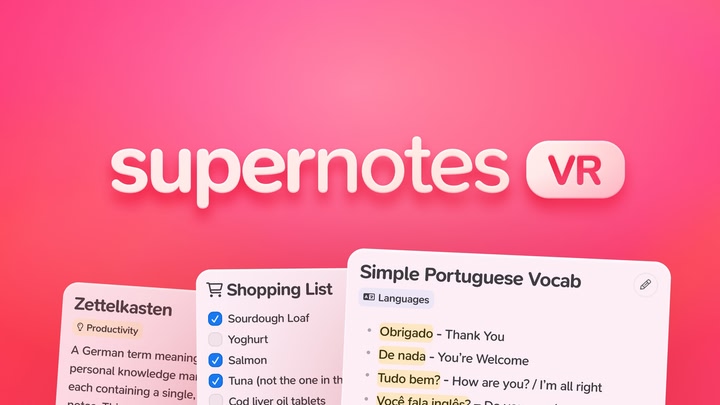
Supernotes – Notes & Journal
Supernotes
Free

Ovation
VRSpeaking
Free

IMMERSE - Language Fluency
Immerse Inc.
Free
-10%-10%-10%-10%-10%
Noun Town Language Learning
SUPER HYPER MEGA
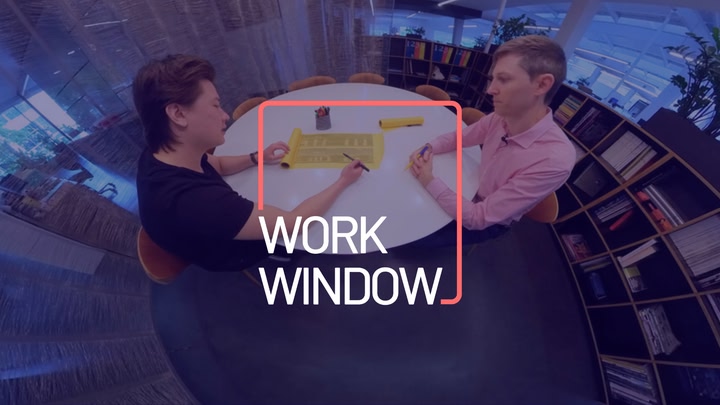
Work Window
Work Window
Free
-10%-10%-10%-10%-10%
Color Connect - VR Puzzle Game
Sandford Tech